
Exploring the Beauty of Abstract Art
- katievaughn3
- Nov 25, 2025
- 3 min read
Abstract art has a unique ability to evoke emotions and provoke thought without relying on traditional representation. It invites viewers to interpret and engage with the artwork in personal ways, making it a fascinating subject for both artists and art enthusiasts. In this blog post, we will delve into the world of abstract art, exploring its history, key characteristics, and the impact it has on contemporary culture.

The Origins of Abstract Art
Abstract art emerged in the early 20th century as artists began to break away from traditional forms of representation. Influenced by movements such as Impressionism and Cubism, artists sought to express their emotions and ideas through non-representational forms.
Key Figures in Abstract Art
Several artists played pivotal roles in the development of abstract art:
Wassily Kandinsky: Often regarded as the father of abstract art, Kandinsky believed that colors and shapes could convey emotions without the need for recognizable subjects. His works often featured vibrant colors and dynamic forms.
Piet Mondrian: Known for his geometric compositions, Mondrian's work emphasized simplicity and order. He used primary colors and straight lines to create a sense of harmony.
Jackson Pollock: A leading figure in the Abstract Expressionist movement, Pollock is famous for his drip paintings, which emphasize the act of painting itself as a form of expression.
Characteristics of Abstract Art
Abstract art is defined by several key characteristics that set it apart from traditional art forms:
Non-Representational Forms
Unlike realistic art, abstract art does not attempt to depict objects or scenes from the real world. Instead, it focuses on shapes, colors, and forms that may not have a direct correlation to reality.
Emotional Expression
One of the primary goals of abstract art is to evoke emotions. Artists often use color, texture, and form to express feelings and ideas, allowing viewers to connect with the artwork on a personal level.
Emphasis on Process
In many cases, the process of creating abstract art is as important as the final product. Artists like Pollock embraced spontaneity and chance, allowing their movements and actions to dictate the outcome of the artwork.
The Impact of Abstract Art on Contemporary Culture
Abstract art continues to influence various aspects of contemporary culture, from design to fashion. Its emphasis on individual interpretation and emotional expression resonates with modern audiences.
Abstract Art in Design
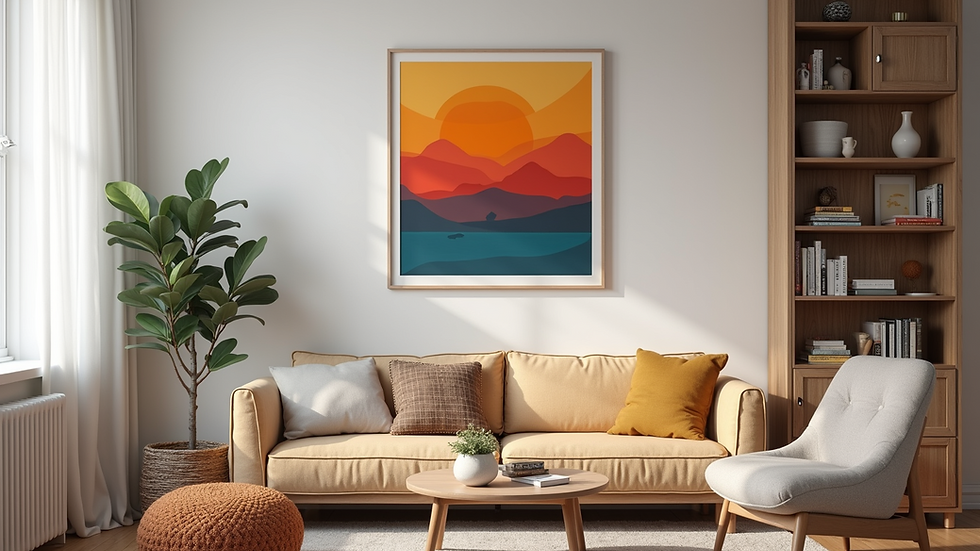
Many designers draw inspiration from abstract art, incorporating bold colors and shapes into their work. This can be seen in everything from interior design to graphic design, where abstract elements create visually striking compositions.
Fashion and Abstract Art
Fashion designers often use abstract patterns and prints to create unique clothing lines. The fluidity and creativity of abstract art allow for endless possibilities in fabric design, making it a popular choice in the fashion industry.
How to Appreciate Abstract Art
Appreciating abstract art can be a rewarding experience, but it often requires a different mindset compared to traditional art forms. Here are some tips for engaging with abstract art:
Look Beyond the Surface
Instead of searching for recognizable forms, focus on the colors, shapes, and textures in the artwork. Consider how these elements make you feel and what emotions they evoke.
Embrace Your Interpretation
Abstract art invites personal interpretation. Allow yourself to connect with the artwork in your own way, without worrying about what others may think.
Explore Different Artists and Styles
Familiarize yourself with various abstract artists and their unique styles. This exploration can deepen your understanding and appreciation of the genre.
Conclusion
Abstract art offers a rich and diverse landscape for exploration and interpretation. Its ability to evoke emotions and challenge perceptions makes it a vital part of the art world. By understanding its origins, characteristics, and impact on contemporary culture, you can enhance your appreciation for this captivating art form.
As you engage with abstract art, remember to embrace your unique perspective and allow the artwork to resonate with you personally. Whether you are an artist, a collector, or simply an admirer, the beauty of abstract art lies in its endless possibilities for interpretation and expression.

Comments